Why Patients Walk Away From a Cure They Qualify For | ISCT’s Grilley & Boelens
What you’ll learn
- Why regulatory approval is the beginning of the access fight, not the end
- How the reimbursement float and single-case agreements push patients to walk away from a cure
- Why “you’re not sick enough yet” keeps cell and gene therapy at the last line
- What the desperation economy of unproven stem cell therapies costs families
- How far away in vivo gene therapy really is, and why
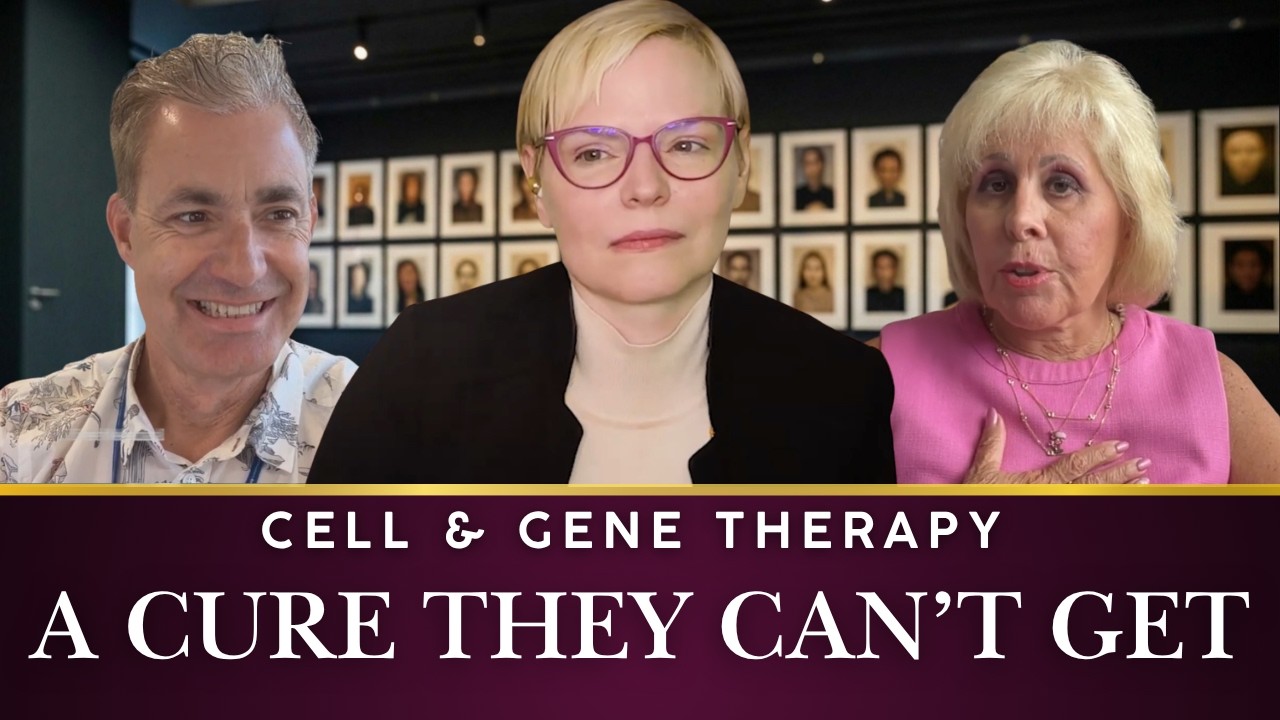
Cell and gene therapies are curing diseases that had no answer a decade ago. Sickle cell disease. Rare genetic disorders that used to kill infants. So why can the patients who qualify for these cures still not get them? That is the question host Lori Ellis put to two leaders of the International Society for Cell and Gene Therapy (ISCT), in a conversation that began at the society’s meeting in Dublin and continued on Open Door Salon.
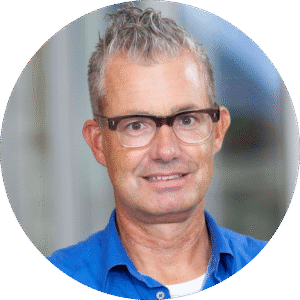
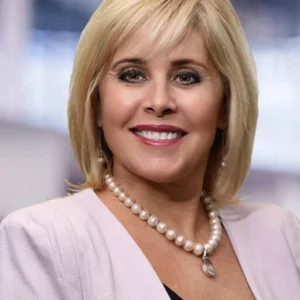
Her guests were Bambi Grilley, President-Elect of ISCT and its former Chief Regulatory Officer, who has worked in the field since 1986 and joined the Center for Cell and Gene Therapy in 1999, and Jaap Jan Boelens, Chief Medical Officer of ISCT, a clinician who came up through bone marrow transplant and now treats the patients living inside the access gap. One sees the problem from the regulatory side, the other from the chair across from the patient. They agreed on the core diagnosis: the science is no longer the hard part. Access is.
Approval is the beginning, not the end
Grilley’s central point is that regulatory approval is where the fight for patient access begins, not where it ends. She has watched approved products stall on the way to the people who need them.
“We have multiple examples in the cell and gene therapy space of products that received regulatory approvals but never became available to patients.” — Bambi Grilley
Some of that is manufacturing. These are not pills in a bottle; many are bespoke products built for a single patient, stored at exacting temperatures, made at small scale for trials and then scaled to reach a country. But the larger wall, Grilley said, is reimbursement. The United States has approved products for sickle cell disease and still sees only a thin trickle of patients actually receiving them. Her verdict is blunt: if the field cannot solve access, the products are not viable.
The reimbursement float, and the patients who walk away
Grilley described a pattern she is hearing again and again. An insurer agrees to pay. The hospital buys the therapy, sometimes a million-dollar product. The patient is dosed. And then reimbursement takes months, sometimes as long as a year, to actually arrive. That gap is a float few institutions can carry.
Boelens sees the same delay land on patients as a decision. The contract between a company and a hospital, and then the single-case agreement with a payer, can take anywhere from a few months to over a year, especially at smaller sites treating sickle cell for the first time.
“I’ve seen patients backing out on the gene therapy because the track to get a single-case agreement in place is going to take too long. So they elect to go to standard bone marrow transplant instead of gene therapy.” — Jaap Jan Boelens
A cure exists, the patient qualifies, and the paperwork moves too slowly to reach them. So they take the older option instead.
Whose risk is it?
The debate over whether cell and gene therapy is moving too fast turns, Grilley argued, on a question of perspective. The people who treat patients see the risk in not moving: patients getting sicker, running out of lines of therapy, dying while a trial they cannot enter runs down the hall. Others see products reaching the market without enough long-term safety data. How you answer “is it safe enough” depends on which risk you fear more. And most patients, Grilley noted, are most afraid of not being treated at all.
That fear surfaces as a phrase patients keep hearing: you are not sick enough yet. Cell and gene therapy still sits at the last line, after everything else has failed. Moving it earlier means rewriting gold-standard regimens that took decades to establish, which physicians are understandably slow to do, but it is where the conversation is heading.
The desperation economy
When a family has a child with a rare disease and no approved option, Grilley said, the shades of gray disappear. That desperation is what the market for unproven stem cell therapies runs on. Families fly abroad, crowdfund, and take on financial risk that can be as devastating as the disease, for treatments that were never proven. Explaining the difference between a product under an active IND and an unlicensed one is nearly impossible when a parent simply wants something, anything, for their child.
FDA turnover, in vivo, and China
Asked how she is guiding ISCT’s members through rapid FDA leadership change, Grilley’s first answer was one word: bumpy. Her fuller answer was steadier. Enough experienced reviewers remain in CBER that her own IND submissions have moved on the normal timeline, with thoughtful questions and no jump in holds. Her warning to the field: do not call it an FDA problem when it may be a packet problem.
Boelens was equally measured on the science. In vivo gene therapy, editing the cell inside the body rather than in a lab, is likely more than a decade away for genetic disease. The obstacles are dosing and durability: enough to work, not so much it turns toxic, and lasting long enough to be a genuine cure rather than a temporary fix. On China, both described a discomfort rooted less in what they know than in what they do not; companies run early-stage trials there and then leave, and much of the picture stays out of view.
The case that nearly ended the field
Both guests entered advanced therapies through bone marrow transplant, and both named the same hardest moment. In 2000, the Jesse Gelsinger case, the first patient to die as a direct result of a gene therapy, brought the field to a near halt. Patients die from chemotherapy every day, Grilley observed, but the field held itself to zero tolerance for its own toxicity. It took years to recover. It came back more cautious, with mitigation built in, and it came back. That resilience is why the conversation today is about access rather than survival, and why Grilley keeps pushing on it: if the field cannot show it can reach patients and sustain itself, the science will not matter.
Learn more about the International Society for Cell and Gene Therapy at isctglobal.org.
This is really an existential threat to cell and gene therapy, because if we can't solve this, these products are not viable.
Key takeaways
- Approval is not availability. Multiple approved cell and gene therapies never reached patients at scale; the second battle is reimbursement and access.
- The reimbursement float is real. An insurer says yes, the hospital buys a million-dollar product and doses the patient, and payment can take up to a year to arrive.
- Patients walk away from cures. When a single-case agreement drags on, patients choose a standard bone marrow transplant over the gene therapy they qualify for.
- Safety is a question of whose risk. Clinicians fear not moving fast enough; others fear moving too fast. The answer depends on which risk you weigh heavier.
- “Sick enough yet” keeps therapy last. Moving cell and gene therapy earlier means rewriting decades-old gold-standard regimens.
- Desperation fuels an unproven-stem-cell market. Families go abroad and risk financial ruin for treatments that were never proven.
- FDA turnover is “bumpy,” not broken. INDs still move through CBER on the normal timeline; a delay may be a packet problem, not an FDA problem.
- In vivo gene therapy is a decade-plus away for genetic disease, gated by dosing and durability.
Key Questions, Answered
Is FDA approval the finish line for a cell and gene therapy?
A lot of the companies are actually saying the first part of the battle is regulatory, the second part of the battle is reimbursement and related patient access.
Grilley: regulatory approval is the beginning of the access fight, not the end. Reimbursement and patient access are the second, harder battle.
Why do reimbursement delays threaten cell and gene therapy?
The hospital has invested in buying the product for the patient. Patient may have actually received the product by now. And the reimbursement is months, sometimes even as long as a year later, not been paid. That's a big float if you're looking at a product [that costs] a million dollars.
An insurer approves, the hospital buys and doses, and payment lands up to a year later, a float few institutions can carry.
Why do patients walk away from a gene therapy they qualify for?
I've seen patients backing out on the gene therapy because the track to get a single-case agreement in place is going to take too long. So they elect to go to standard bone marrow transplant instead of gene therapy.
Boelens: single-case agreements can take months to over a year, so patients choose a standard transplant over the cure they qualify for.
Is cell and gene therapy trading safety for speed?
Those of us who work directly with patients, our risk is that we see patients not getting treatments. We see patients getting sicker... the risk is that we're not moving fast enough.
Whose risk it is depends on your seat. Clinicians see the danger in moving too slowly; others in moving too fast.
Why do patients hear “you’re not sick enough yet” for cell and gene therapy?
Once you set that as your gold standard, it's very difficult to go back... it's not how physicians are comfortable practicing.
Cell and gene therapy sits at the last line; moving it earlier means rewriting gold-standard regimens physicians are slow to change.
What is the desperation economy of unproven stem cell therapies?
Once you start getting to desperation, those shades of gray start disappearing.
Families with no approved option go abroad and risk financial ruin for unproven treatments, unable to tell an IND product from an unlicensed one.
How is FDA turnover affecting cell and gene therapy submissions?
There's also a lot of enough people [who] remain in [CBER] that are experienced that I haven't seen interruptions in my normal workflow... I really warn us against making determinations that that's an FDA problem when it could be a packet problem.
Grilley calls the turnover “bumpy” but her INDs still move on the normal timeline; a delay may be a packet problem, not an FDA one.
How far away is in vivo gene therapy?
The in vivo gene therapy is likely more than a decade away, and then it's an issue with the dosing: how much to give to get sufficient [cells] in vivo and not overload the system.
Boelens: in vivo gene therapy for genetic disease is a decade-plus off, gated by dosing and durability.
What is the real risk from China in cell and gene therapy?
There's the part we know... and then there's a part we don't know, and that's the scarier part actually. The stuff that we don't know is going on.
The unease is less about what is known than what is not; companies run early trials in China and leave, and much stays out of view.
What was the Jesse Gelsinger case, and why did it nearly end the field?
2000 was the Jesse Gelsinger case, which is the first patient who died as a direct result of a [gene] therapy product... it felt very much like the field might end over a single patient.
The first death from a gene therapy brought the field to a near halt; it recovered years later, more cautious and with mitigation built in.
Resources
- International Society for Cell & Gene Therapy (ISCT) The guests' society; the conversation continues a panel from the ISCT meeting in Dublin.
- FDA Center for Biologics Evaluation and Research (CBER) The FDA center that reviews cell and gene therapy INDs and BLAs.
- FDA: Approved Cellular and Gene Therapy Products The current list of FDA-approved cell and gene therapies, including sickle cell products.
- The Jesse Gelsinger case The 1999-2000 gene therapy death that reshaped safety oversight of the field.
Need the life-sciences signal but short on time?
Get a free quarterly briefing: four pages on what life-sciences operators are actually saying about Biosecure, AI hype vs. substance, and the $50,000 cell-therapy question. Ten minutes, in your inbox.